
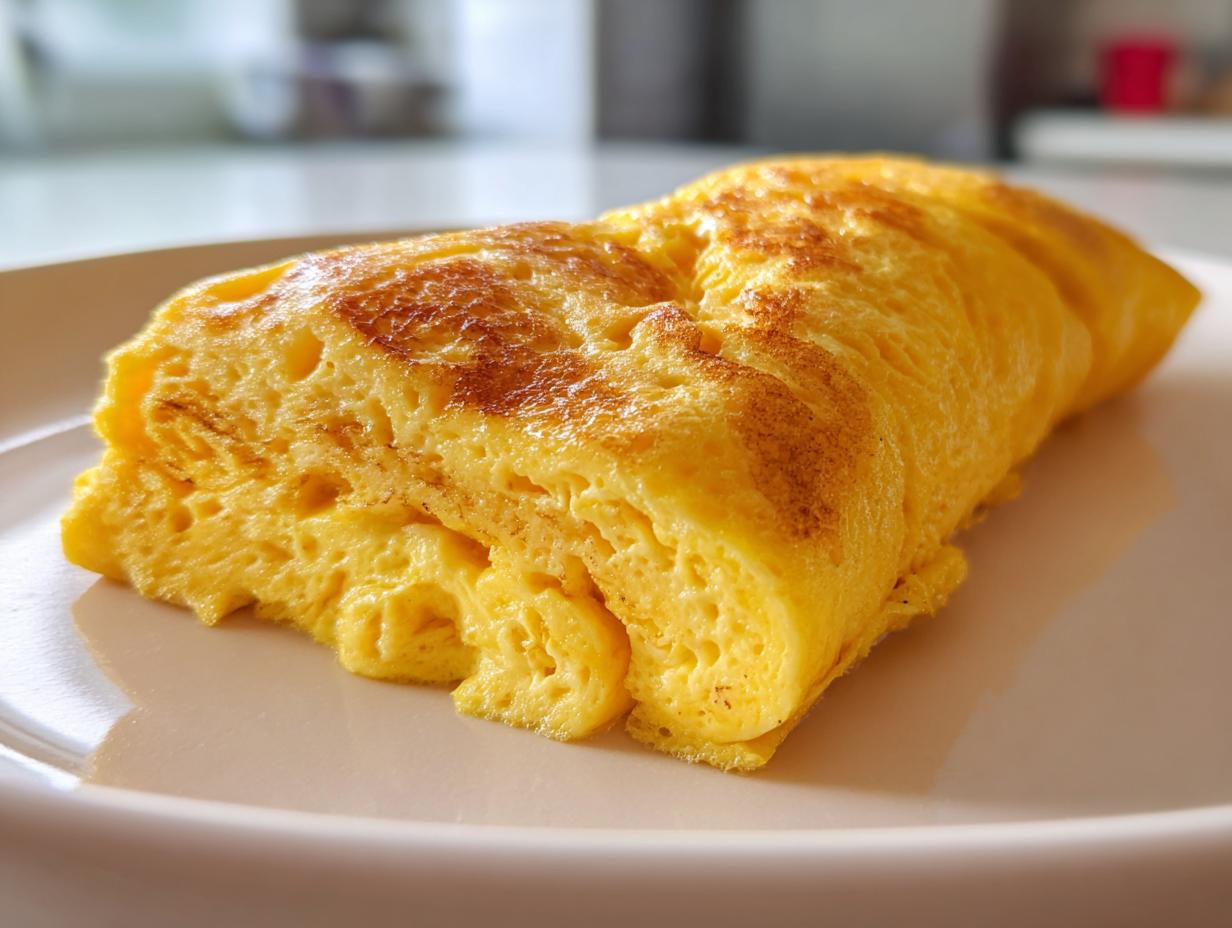
Let me tell you, there’s something truly delightful about a well-made High-Protein Japanese Tamagoyaki! This fluffy, sweet-savory omelette is not just delicious but also packed with nutrition, making it a perfect addition to your breakfast lineup or a standout side dish. Seriously, who wouldn’t want to enjoy a dish that satisfies your taste buds and fuels your body?
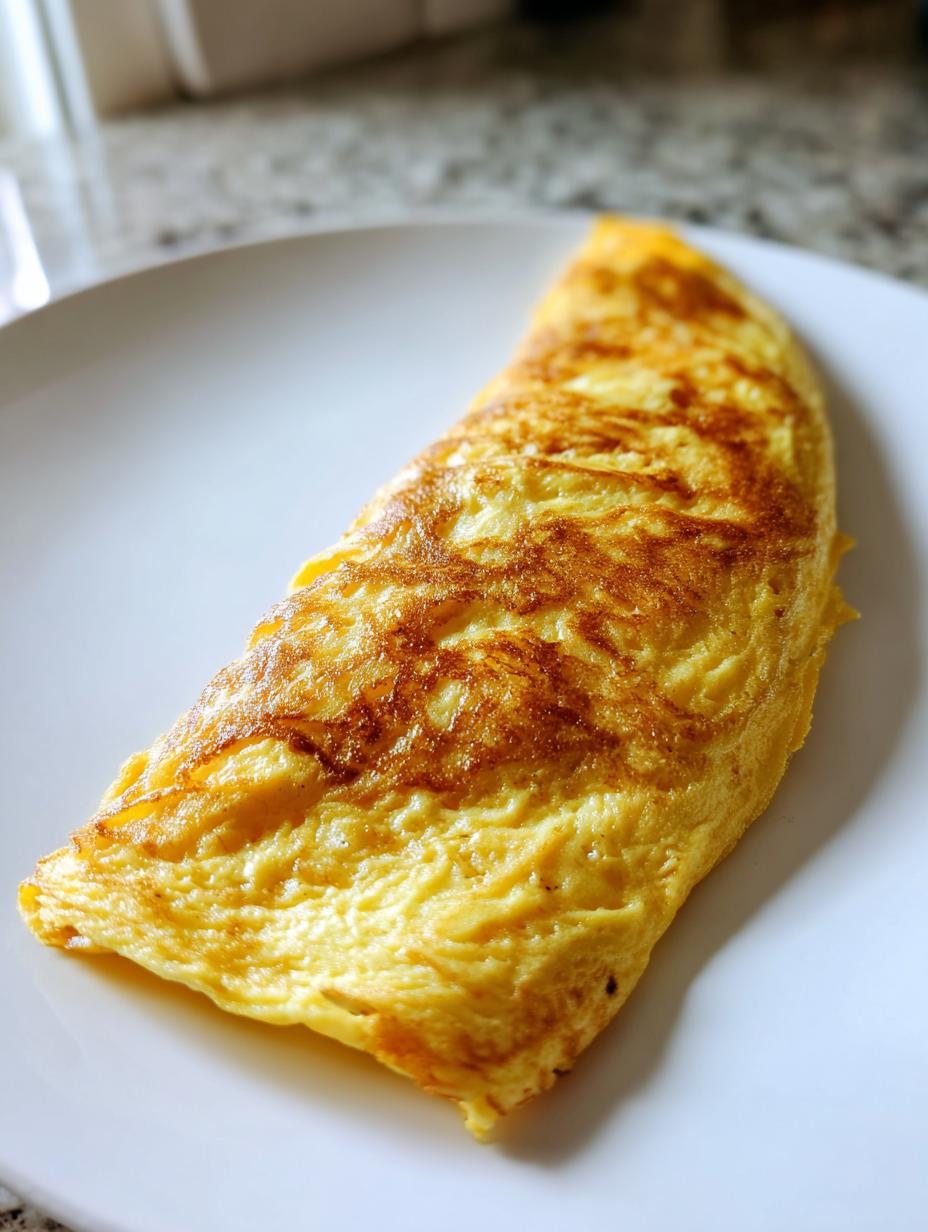
What I love most about tamagoyaki is its versatility. You can whip it up in no time—just 20 minutes from start to finish! Whether you’re enjoying it alongside a bowl of rice in the morning or serving it as a colorful side at dinner, it’s always a hit. Plus, it’s a fantastic way to sneak in some extra protein into your diet with those four large eggs. Trust me, once you get the hang of it, you’ll want to make this high-protein wonder again and again!
Ingredients List
You’ll need just a few simple ingredients to create this delicious High-Protein Japanese Tamagoyaki. Here’s what you’ll need:
- 4 large eggs: Use fresh eggs for the best results—trust me, it makes a difference!
- 1 tbsp soy sauce: This adds a lovely umami flavor; feel free to adjust to your taste.
- 1 tbsp mirin: A sweet rice wine that adds depth and sweetness to the dish.
- 1 tbsp sugar: This is optional, but it can enhance the sweetness if you like it a bit sweeter!
Gather these ingredients, and you’re already on your way to making a fantastic tamagoyaki! Each one plays a vital role in creating that perfect balance of flavor and texture.
How to Prepare High-Protein Japanese Tamagoyaki
Now that you have your ingredients ready, let’s dive into the delightful process of making your High-Protein Japanese Tamagoyaki! It’s a simple, step-by-step journey that’s fun and rewarding. Let’s get started!
Step 1: Whisk the Egg Mixture
First things first, grab a bowl and crack those four large eggs in there. You’ll want to whisk them together with the soy sauce, mirin, and sugar until everything is well combined. I usually go for about a minute of vigorous whisking—this helps incorporate air into the eggs, making your tamagoyaki fluffy and light. Trust me, the magic happens in this step!
Step 2: Heat the Skillet
Next, it’s time to heat your non-stick skillet over medium heat. Don’t rush this part; a nice, even temperature is key to getting that perfect golden color! Once it’s hot, pour a small amount of the egg mixture into the skillet, tilting it around to coat the surface evenly. You want a thin layer, so don’t go crazy pouring it all in at once!
Step 3: Cook and Roll the Omelette
As the edges of the omelette start to set (you’ll notice them firming up in just a minute or so), grab your spatula and carefully roll the omelette tightly towards one side of the skillet. This is where it gets really exciting! Push the rolled omelette to the side, creating space for the next layer.
Step 4: Repeat the Cooking Process
Now, pour more of that delicious egg mixture into the empty side of the skillet. Let it cook for a moment until the edges set again, then roll the already-cooked omelette over the new layer. Repeat this process until all the egg mixture is used up. You’ll see that beautiful layered effect forming as you go! It’s like a little egg masterpiece coming together.
Step 5: Slice and Serve
Once you’ve rolled up all the layers, remove the tamagoyaki from the skillet and let it cool slightly on a cutting board. This cooling step is important because it allows the layers to settle. After a few minutes, slice it into bite-sized pieces and serve it up! Whether warm or cold, it’s delicious either way.
Tips for Success
To ensure your High-Protein Japanese Tamagoyaki turns out just right, here are some practical tips I’ve picked up along the way. Trust me, these little nuggets of wisdom can make all the difference!
Use Fresh, High-Quality Eggs
First and foremost, the quality of your eggs matters! Fresh, high-quality eggs will give you the best flavor and texture. Look for eggs that are free-range or organic if you can—they really do make a noticeable difference in taste. You want those yolks to be a vibrant golden color!
Perfect Your Skillet Technique
When heating your non-stick skillet, take your time. If the heat is too high, your tamagoyaki could burn before it cooks through. Medium heat is your best friend here! And don’t forget to add a tiny bit of oil if your non-stick surface isn’t quite up to par—just enough to keep things from sticking.
Whisk Vigorously
Get that air into your egg mixture! Whisking vigorously not only combines the ingredients but also incorporates air, making your tamagoyaki fluffy and light. I often take my time with this step, really working those eggs until they’re nice and frothy.
Don’t Overfill the Skillet
When pouring the egg mixture into the skillet, remember less is more! A thin layer is key for even cooking and easy rolling. If you pour too much in at once, you’ll end up with a thick, uneven omelette that’s tricky to manage. Aim for just enough to cover the bottom of the skillet.
Practice Your Rolling Technique
Rolling the omelette might take a little practice, but don’t worry if it’s not perfect the first time! Use your spatula to guide the roll, and don’t be afraid to push it gently into place. As you gain confidence, you’ll find that rolling becomes second nature!
With these tips in your back pocket, you’re all set to make a fantastic High-Protein Japanese Tamagoyaki! Enjoy the cooking process, and remember to have fun while you’re at it! Each attempt is a step closer to mastering this delightful dish.
Variations
The beauty of High-Protein Japanese Tamagoyaki is its versatility! You can easily customize it to suit your taste or even sneak in some extra nutrients. Here are a few delicious ideas to get your creative juices flowing:
- Add Vegetables: Chopped green onions, bell peppers, or spinach can add a burst of color and flavor. Just sauté them briefly before adding the egg mixture to soften them up a bit.
- Incorporate Proteins: For an extra protein boost, consider adding chopped cooked chicken, shrimp, or even tofu. Just make sure to dice them small enough so they mix well with the eggs.
- Experiment with Cheese: A sprinkle of shredded cheese, like cheddar or mozzarella, can bring a delightful creaminess to your tamagoyaki. Add it just before rolling for a gooey surprise!
- Try Different Sauces: While soy sauce is a classic, you can experiment with other sauces like teriyaki or even a dash of sriracha for a spicy kick. Just adjust the amount to suit your palate!
- Herbs and Spices: Fresh herbs like cilantro or even a pinch of garlic powder can elevate the flavor profile. Just a little goes a long way in adding that extra zing!
Feel free to mix and match these ideas to create your own signature version of tamagoyaki! The possibilities are endless, and that’s what makes it so much fun to make. Happy cooking!
Nutritional Information
When it comes to enjoying your High-Protein Japanese Tamagoyaki, knowing what you’re putting into your body can be super helpful! Here’s a general breakdown of the nutrition you can expect from a serving:
- Calories: 200
- Protein: 16g
- Carbohydrates: 10g
- Fat: 12g
- Saturated Fat: 3g
- Cholesterol: 400mg
- Sodium: 500mg
- Potassium: 150mg
- Fiber: 0g
- Sugar: 2g
- Vitamin A: 600 IU
- Calcium: 50mg
- Iron: 2mg
Keep in mind that these values can vary based on the specific ingredients and brands you use. It’s always a good idea to check the labels if you’re keeping a close eye on your nutrition. Enjoy your cooking adventure, and remember, each bite of this tamagoyaki is as nutritious as it is delicious!
Equipment Needed
To whip up your High-Protein Japanese Tamagoyaki, you’ll need just a couple of essential items. Here’s what you’ll need to have on hand:
- Non-stick skillet: This is crucial for making sure your tamagoyaki doesn’t stick and gets that beautiful golden color.
- Spatula: A flexible spatula is perfect for rolling the omelette and gently lifting it from the skillet without breaking it.
With these tools in your kitchen arsenal, you’re all set to create a delicious tamagoyaki that’ll impress your family and friends. Happy cooking!
Why You’ll Love This Recipe
- Quick and Easy: This High-Protein Japanese Tamagoyaki comes together in just 20 minutes, making it perfect for busy mornings or a last-minute side dish!
- Flavorful: The combination of soy sauce, mirin, and a hint of sweetness creates a deliciously balanced flavor that’s sure to please everyone at the table.
- Healthy: Packed with protein from the eggs, this dish is a nutritious choice that can help fuel your day. Plus, you can customize it with veggies or proteins for added nutrition!
- Versatile: Enjoy it warm for breakfast, cold as a snack, or as a colorful side dish at dinner. It fits in perfectly with any meal!
- Fun to Make: There’s something therapeutic about the rolling process. You’ll feel like a pro chef as you layer and roll your omelette to perfection!
Trust me, once you try this recipe, you’ll understand why it’s become a favorite in my kitchen. It’s all about the joy of cooking and sharing delicious food with loved ones!
FAQ Section
Got questions about making the perfect High-Protein Japanese Tamagoyaki? Don’t worry, I’ve got you covered! Here are some common queries and my answers to help you on your cooking journey.
What is tamagoyaki?
Tamagoyaki is a traditional Japanese omelette that’s sweet and savory, made by rolling layers of cooked egg. It’s often served as part of a bento box or enjoyed on its own as a delicious side dish. This version is high in protein thanks to the four large eggs, making it a nutritious choice!
Can I make tamagoyaki in advance?
Absolutely! Tamagoyaki can be made ahead of time and stored in the fridge for up to three days. Just keep it in an airtight container. Enjoy it cold or gently reheat it in the skillet before serving. It’s a fantastic make-ahead option for busy mornings!
What can I serve with tamagoyaki?
Tamagoyaki pairs wonderfully with a variety of dishes. You can serve it alongside a bowl of steamed rice, in a sushi roll, or as part of a larger breakfast spread with miso soup and pickled vegetables. It also works great as a colorful side dish at dinner!
Is tamagoyaki gluten-free?
To make your High-Protein Japanese Tamagoyaki gluten-free, simply use a gluten-free soy sauce alternative. There are several brands available that taste just as delicious, allowing you to enjoy this dish without worries!
Can I customize the fillings in my tamagoyaki?
Definitely! You can add all sorts of fillings to your tamagoyaki to suit your tastes. Chopped vegetables, cooked proteins like chicken or shrimp, or even cheese can be added to the egg mixture before cooking. Just make sure any additions are finely chopped so they mix well!
If you have more questions, feel free to reach out! The joy of cooking comes from experimenting and making the recipe your own. Happy cooking!
For more delicious recipes and inspiration, check out our Pinterest page!
High-Protein Japanese Tamagoyaki
Equipment
- Non-stick skillet
- Spatula
Ingredients
For the Tamagoyaki
- 4 large eggs Use fresh eggs for best results.
- 1 tbsp soy sauce Adjust to taste.
- 1 tbsp mirin For sweetness.
- 1 tbsp sugar Optional, adjust for sweetness.
Instructions
- In a bowl, whisk together eggs, soy sauce, mirin, and sugar until well combined.
- Heat a non-stick skillet over medium heat. Pour a small amount of the egg mixture into the skillet, tilting to cover the surface.
- Once the edges begin to set, use a spatula to roll the omelette tightly. Push to one side of the skillet.
- Add more egg mixture to the empty side and repeat the process until all the mixture is cooked.
- Remove from skillet and let it cool slightly before slicing.